Tropical Home Design in Atenas: Breezes, Shade & Flow
December 4, 2025
December 4, 2025
Is your Atenas home warmer than you’d like by mid‑afternoon, then cool again at night? You are not alone. At this mid‑elevation, you enjoy a springlike feel most of the year, but dry and rainy seasons call for different comfort strategies. In this guide, you’ll learn how to use breezes, shade, and smart layout to cool your home naturally, improve indoor–outdoor flow, and lift long‑term value. Let’s dive in.
Atenas sits in Costa Rica’s Central Valley, where temperatures are mild compared with the coast. You still feel two distinct seasons. In the dry season (roughly December to April), stronger sun and daytime heat are the main concerns, and night cooling works very well. In the rainy season (roughly May to November), humidity rises and afternoon showers are common, so you need airflow with rain protection and moisture control.
Microclimates vary across hills and valleys. Breezes can shift by time of day and slope. The best first step is on‑site observation. Visit your property morning and afternoon over several days to note wind direction, sun paths, and where walls and windows get the most heat. Use this to guide any remodel choices.
Cross‑ventilation is your most cost‑effective cooling tool. Place operable openings on two sides of a room to let air enter on the windward side and exit on the leeward side. If you can, make the windward opening a bit larger to draw air through.
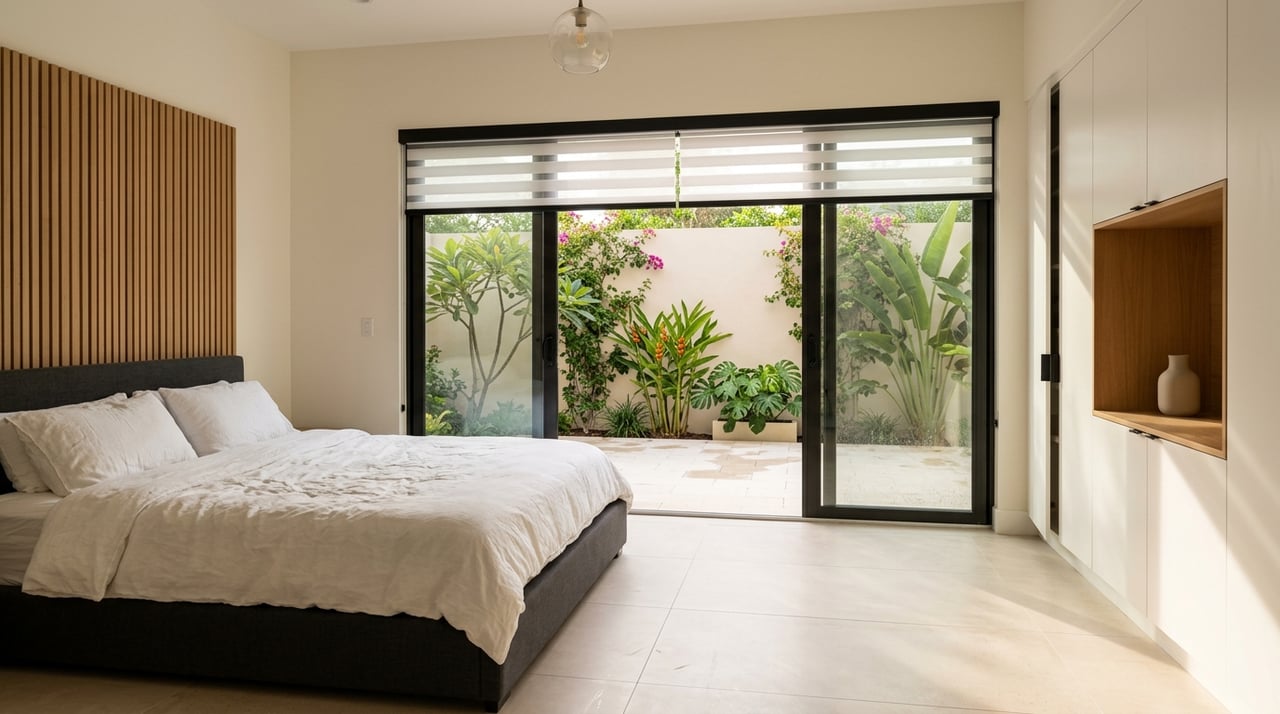
Layer airflow strategies. Add low openings for intake and high openings for exhaust, like clerestories or operable transoms. At night, open safely screened windows to purge heat from floors and walls, then close and shade during the day. Ceiling fans multiply comfort at very low energy use and are easy to add in living rooms and bedrooms.
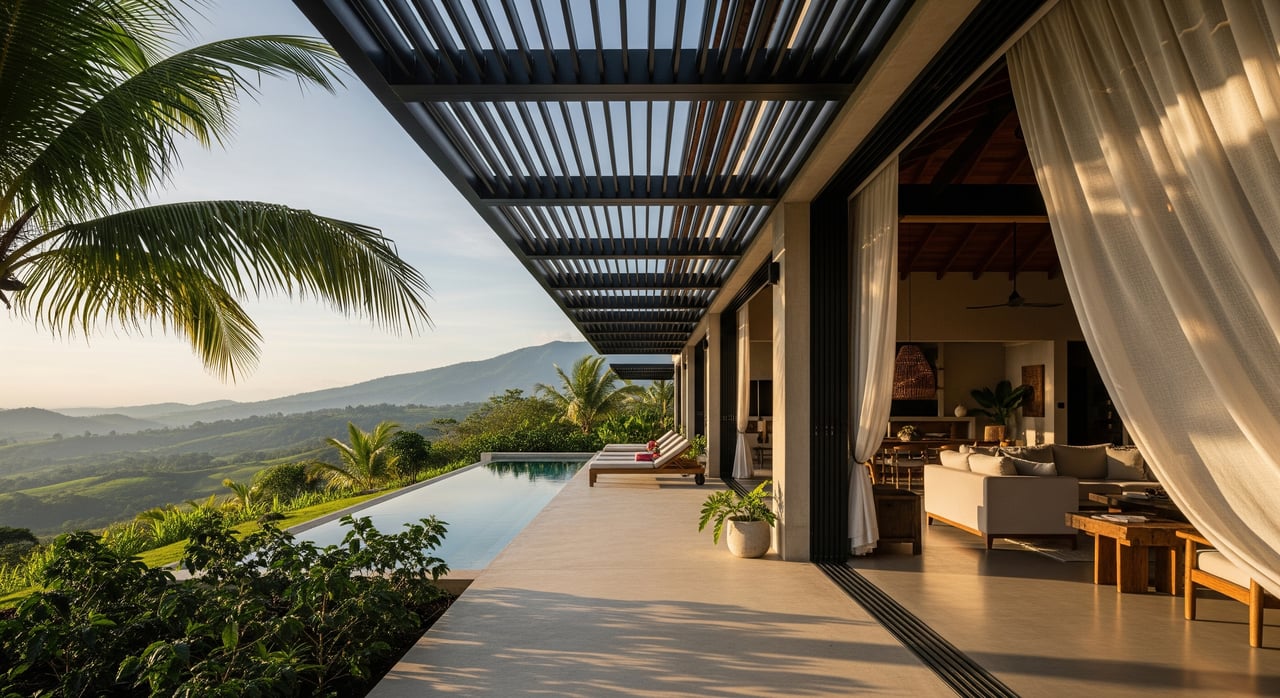
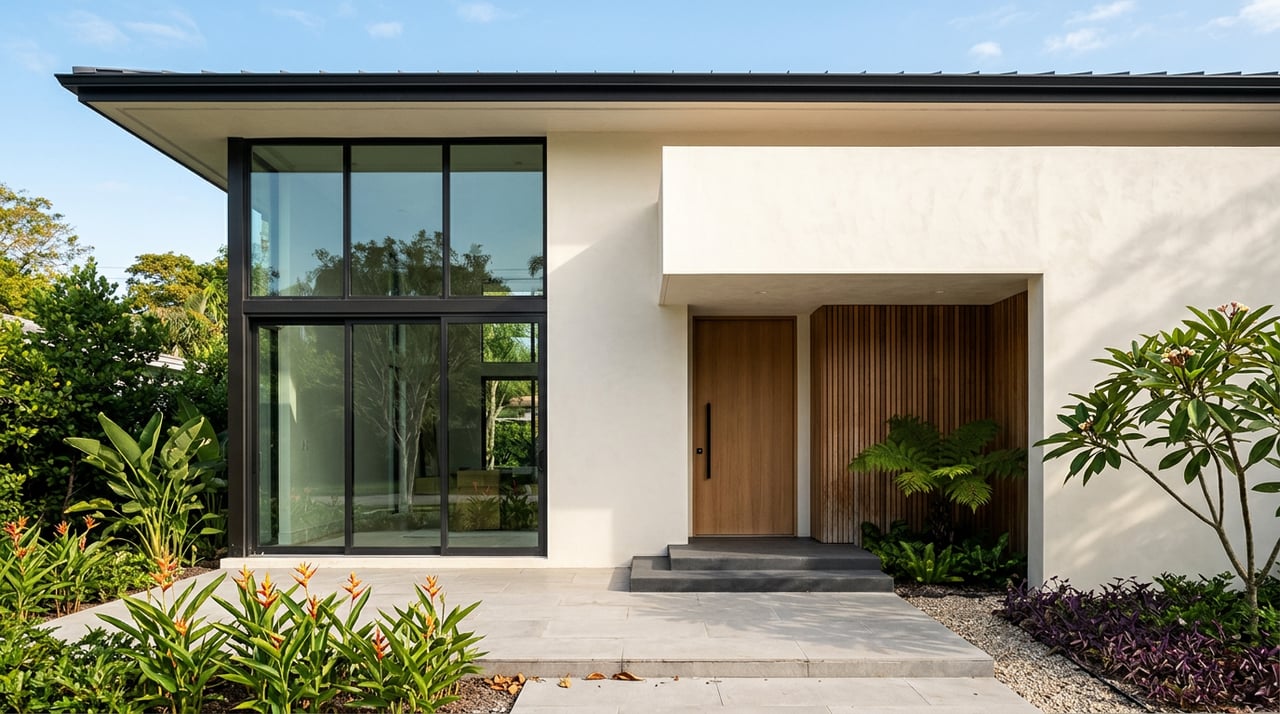
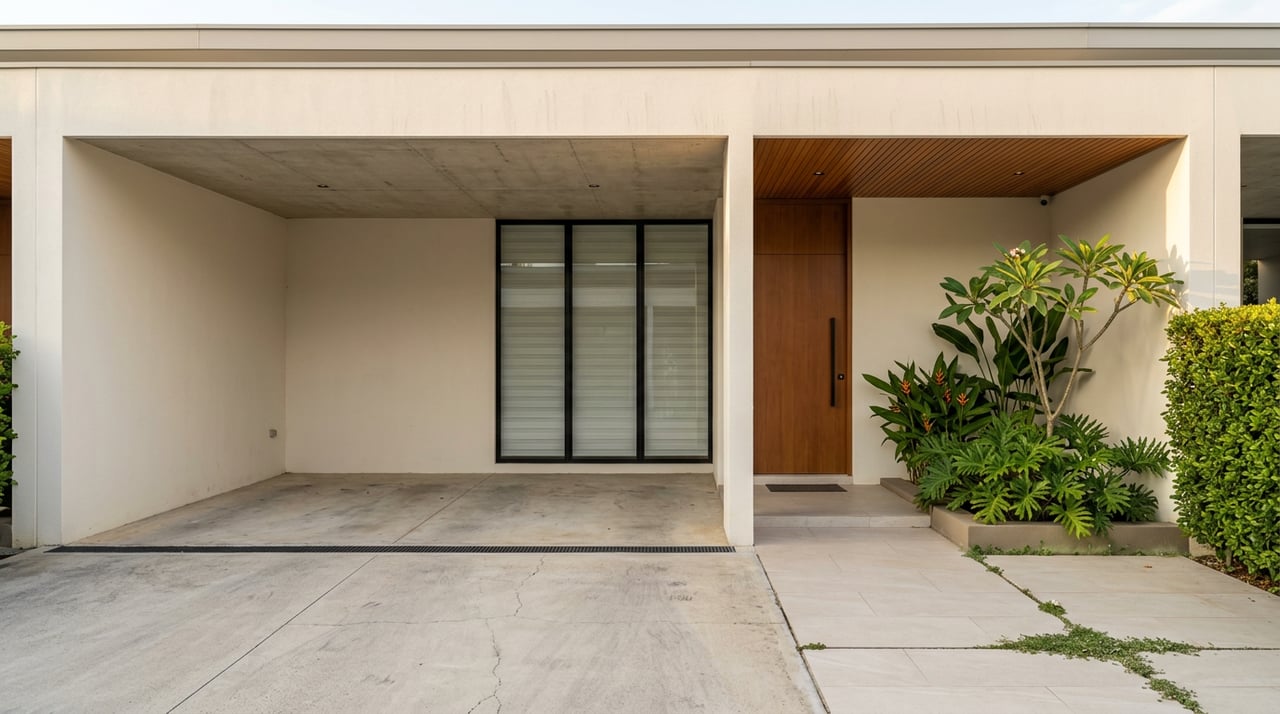
You want ventilation even when it rains. Aim for protected openings. Covered corridors, deep eaves, and louvered windows let you keep air moving during light rain. Choose hardware that closes quickly for storms. Screens that lock help you ventilate while keeping insects out.
The fastest way to reduce heat is to block sun before it hits glass and walls. Prioritize the façades that get the strongest sun, which are often east and west in the mornings and afternoons, and any equator‑facing walls at midday.
If you love large windows, pair them with low solar‑gain glass and exterior shading such as awnings or roll‑out screens. Interior blinds alone rarely stop heat effectively.
Your roof is the biggest source of heat gain. Start here if you can do only one upgrade. Light‑colored or reflective roof finishes reduce how much heat the roof absorbs. Add insulation or a ventilated air gap beneath metal roofing to cut peak heat transfer into rooms.
Ventilate the roof space where possible with soffit and ridge vents. In heavy rains, reliable gutters and downspouts protect walls and foundations and keep interiors dry. Overhangs should be deep and detailed to manage wind‑driven rain.
Atenas nights are often cool enough for night purging to work. That means moderate thermal mass can help. Concrete floors or masonry walls can store coolness overnight and release it during the day. If you cannot purge at night, avoid large areas of exposed mass that may store daytime heat.
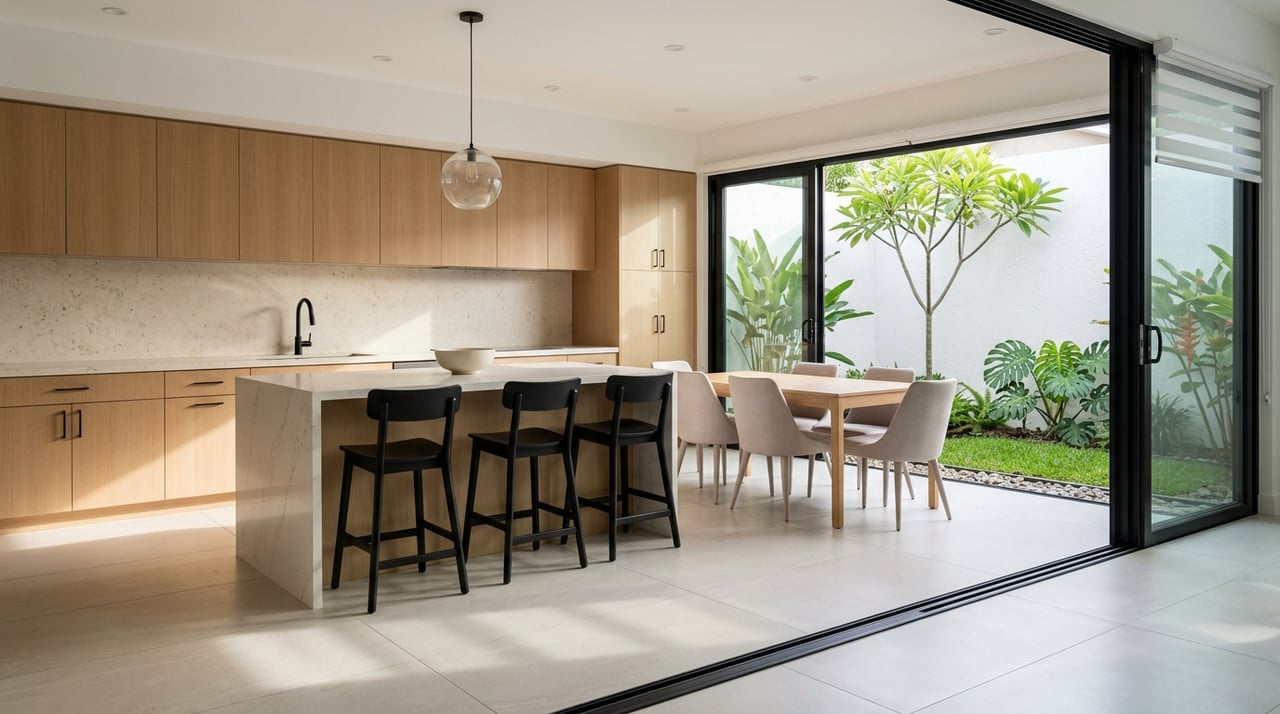
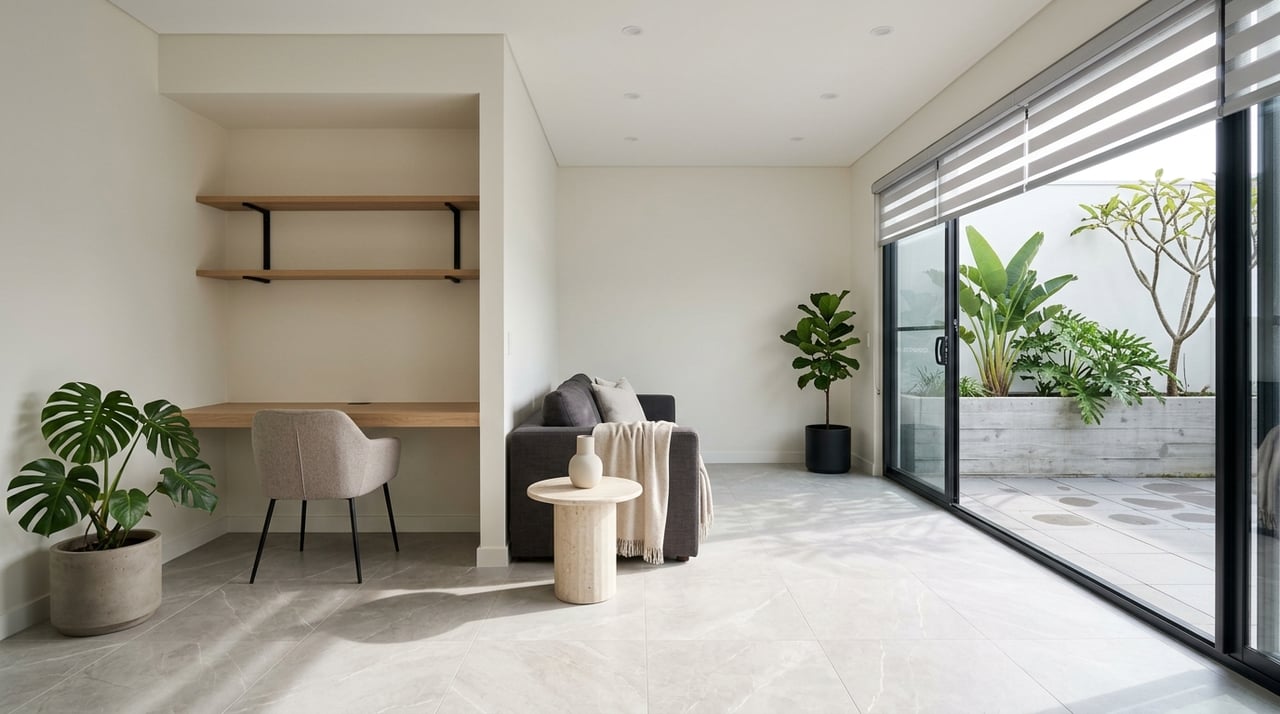
Walls can be lightweight and well‑insulated where solar exposure is high, or mass‑based where night cooling is reliable. Use breathable, mold‑resistant paints and vapor‑permeable finishes. On floors, tile or polished concrete feels cool underfoot and connects well with outdoor terraces.
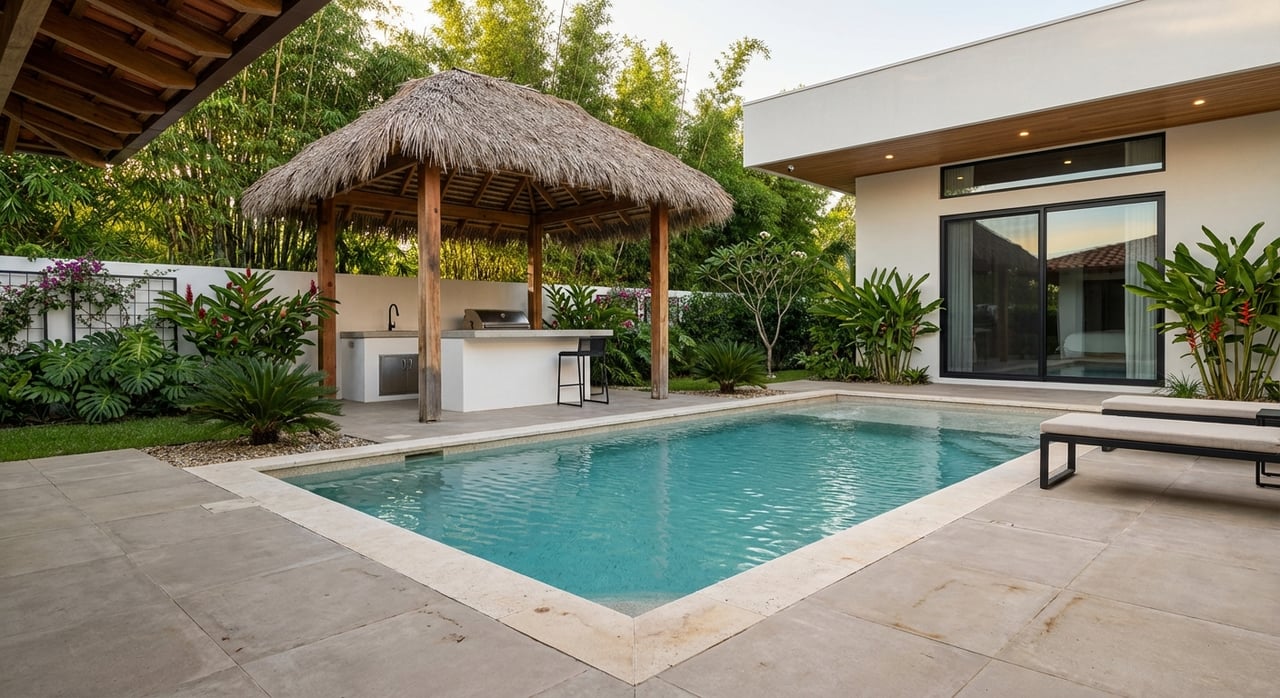
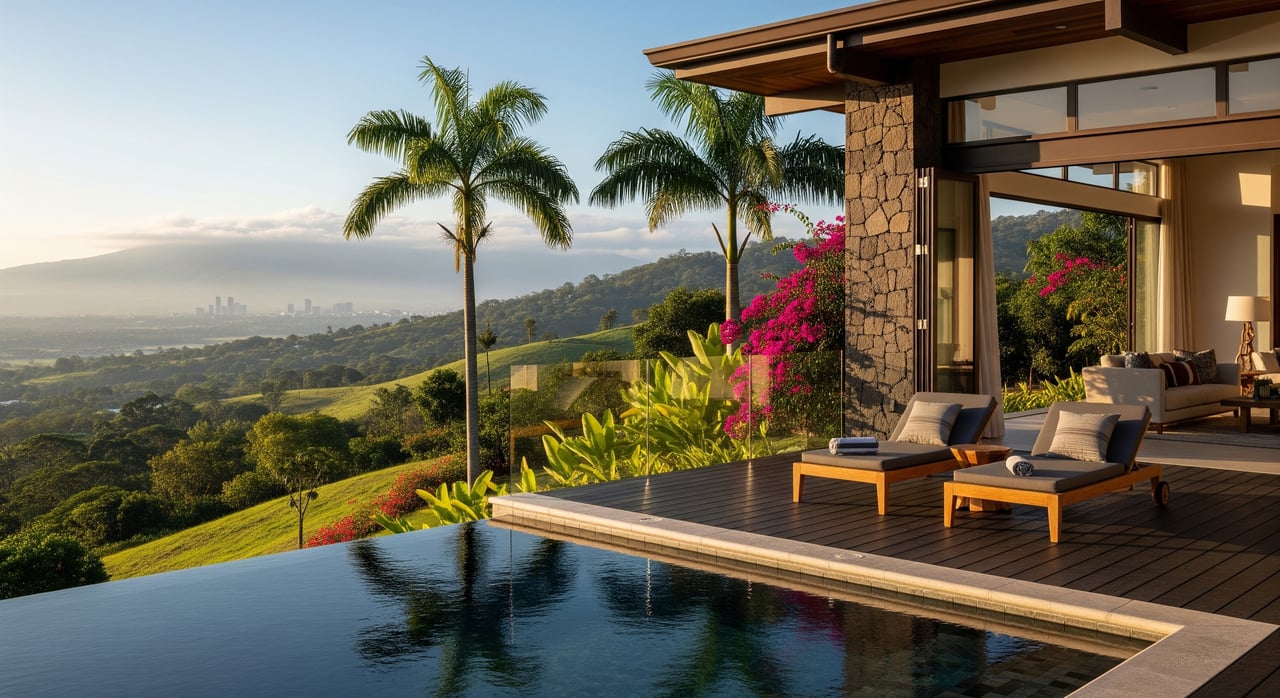
Covered outdoor rooms are perfect for Atenas. A shaded terrace, a screened patio, or a roofed garden walkway extends living space and shades interior walls. Large sliders or folding doors that open wide create a flexible connection between inside and out.
Include integrated mosquito screens so you can leave openings in place during the wet season. Choose lockable, easy‑use hardware to combine security with ventilation. These small details make daily living smoother and please future buyers.
Start with the easy wins, then plan targeted upgrades. Sequence bigger changes with a local professional so details handle sun, wind, and rain well.
Passive comfort sells. Buyers like shaded outdoor rooms, good fans, and cool interiors without constant AC. Durable, low‑maintenance materials such as reflective metal roofs, mold‑resistant paints, and quality screens have strong appeal in humid climates.
Create a simple maintenance plan: clean gutters before the rains, check screens and window hardware seasonally, and prune shade trees on a schedule. If you later sell, document your upgrades with before‑and‑after notes and basic climate observations. Clear evidence of comfort and care helps a buyer feel confident.
Overhang size depends on window height, orientation, and sun angle. Horizontal overhangs work well for midday sun, while east and west may need vertical fins or operable screens. If you plan a build‑out, get a quick shading sketch from a local architect or use a basic sun‑angle tool before you install fixed shading.
In Atenas, comfort comes from three priorities: capture breezes, block direct sun, and shield from rain while keeping air moving. Start with fans, exterior shade, screens, and roof color. Then layer smart window placement, roof insulation, and a covered terrace. With these steps, most homes stay comfortable year‑round with only occasional AC in bedrooms if desired.
If you want help planning and executing a light remodel that matches your lifestyle and adds value, reach out to the integrated team at Bryana Conway. From targeted design updates to project oversight, you get single‑point accountability and a home that feels intentional from day one.
Stay up to date on the latest real estate trends.
Partner with a dedicated real estate professional who combines creativity, expertise, and a deep understanding of clients' needs. Whether buying, selling, or designing, the focus is always on making dreams a reality with personalized, thoughtful service.