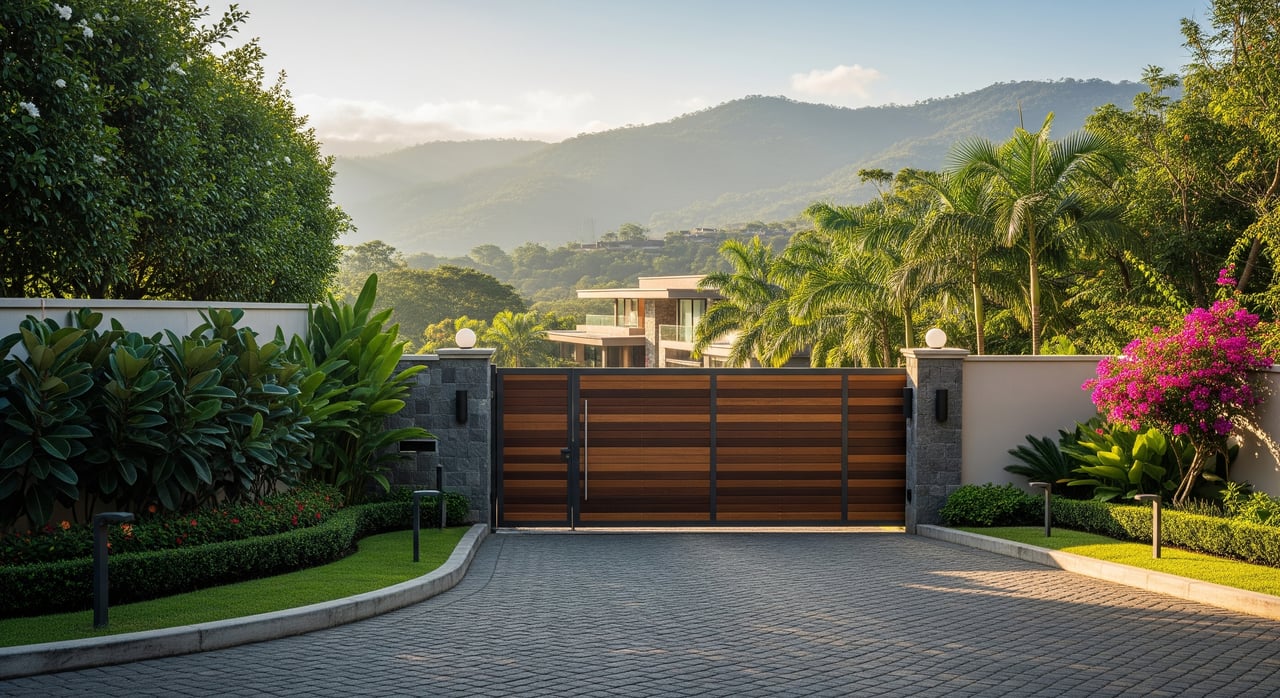
Gated Communities In Escazú: What Buyers Should Know
November 21, 2025
November 21, 2025
Looking at gated communities in Escazú and wondering what is real and what is marketing? You want security, convenience, and a lifestyle that fits your day-to-day. At the same time, you need clear numbers, solid rules, and a smart plan for due diligence. In this guide, you’ll learn how gated living works in Escazú, what to inspect, how to read HOA documents, and which red flags to avoid. Let’s dive in.
Escazú sits just west of San José and offers a blend of city convenience and residential calm. You get quick access to business centers, shopping, private hospitals, and dining. Many international residents choose the area for this mix of comfort and connectivity.
You’ll find two broad settings. Near central Escazú and major shopping, you see more condo towers and mixed-use projects. Up on the hillsides in San Rafael and San Antonio, you get gated compounds, larger lots, and valley views. Both settings offer gated options, but the amenities and fees can look very different.
Most gated communities in Escazú focus on access control and shared spaces. Typical features include:
Security is a strong draw, but it is not absolute. Gated living reduces casual access and deters property crime. It does not eliminate risk. Ask whether security staff are direct HOA employees or a contracted firm, and review shift coverage and incident procedures.
Escazú’s gated inventory is diverse. You will likely encounter:
The mix of housing types affects fees, rules, and daily rhythm. Towers may emphasize concierge-like services. Horizontal communities may lean into privacy and architectural guidelines.
Most projects are organized as condominios or private urbanizations with an owners’ assembly. Key documents and structures include:
Many communities also have architectural guidelines for exterior colors, additions, or fencing. Plan approvals help protect the neighborhood’s look and long-term value.
Monthly HOA fees cover security, staff, common-area maintenance, utilities for shared spaces, and reserves for major repairs. In Escazú, fees vary widely. Smaller, low-amenity projects often carry modest fees, while luxury communities with 24/7 staffing and extensive amenities sit at the top end.
To understand true cost of ownership, request:
Budget drivers that often rise include security salaries, landscaping, pool operations, and utilities for common areas. Historic fees are not a guarantee of future fees, so build in a cushion.
Strong due diligence protects your investment and gives you leverage when negotiating. Ask your agent and attorney to help you gather and review the following.
If you plan to rent, confirm whether short-term rentals are allowed, restricted, or prohibited. Some communities require registration or extra deposits. Foreign ownership typically does not change HOA rules, but governance practices vary, so verify specifics.
You have options for financing in Costa Rica, though terms for non-residents can differ. Many expats pay cash or use financing from a home-country bank. If you pursue a local mortgage, speak with a local bank or mortgage advisor early to understand down payments, documentation, and timelines.
Closings are handled by a notary who prepares the purchase deed and registers the transfer at the national registry. Expect transaction costs that include notary and registration fees, and taxes where applicable. Build time for document review, title searches, and HOA confirmations, and ensure the seller is current on HOA balances before closing.
Closer to central Escazú and major shopping, you’ll see more condo towers and mixed-use projects. This can mean quick commutes and on-site amenities. It can also bring busier streets and different fee structures.
Higher elevations in San Rafael and San Antonio bring views and quieter streets. Driveways and roads can be steep, and drainage and slope engineering matter more. Larger lots and custom homes are common.
Many gated communities offer parks and play areas. Rules may be stricter about exterior changes to protect the shared look of the community. Review the reglamento interno and any architectural rules before you fall in love with a remodel idea.
Proximity to private hospitals, grocery chains, and business hubs influences desirability and resale value. Consider your daily routes as well as long-term exit plans when comparing communities.
Watch for issues that can impact cost, safety, or livability. Ask direct questions and back them with documents.
If something concerns you, consider requesting credits, repairs before closing, or a fee contribution from the seller. Monthly HOA fees are set by the owners’ assembly, but you can negotiate concessions in the purchase contract.
Choosing the right gated community is part market knowledge and part design vision. You want the right layout, the right rules, and the right long-term costs. If a property needs updates, targeted renovations and careful project management can transform it into a turnkey home or a stronger investment.
With integrated brokerage, design, and construction oversight, you can search confidently and deliver a finished result without juggling vendors. If you are exploring Escazú’s gated options and want a single, accountable partner from offer to move-in, connect with Bryana Conway.
Stay up to date on the latest real estate trends.

Partner with a dedicated real estate professional who combines creativity, expertise, and a deep understanding of clients' needs. Whether buying, selling, or designing, the focus is always on making dreams a reality with personalized, thoughtful service.