Outdoor Living in Atenas: Designing Pools, Ranchos & Gardens
February 19, 2026
February 19, 2026
If you could live outside most days, what would your backyard look like? In Atenas, many days feel made for coffee on the terrace, a quick swim before lunch, and dinner in a breezy rancho with friends. You want spaces that look beautiful, stay comfortable through dry and rainy seasons, and are practical to maintain. In this guide, you’ll learn how Atenas’s climate shapes pool, rancho, and garden design, plus smart choices that save energy, time, and hassle. Let’s dive in.
Atenas sits on the western edge of Costa Rica’s Central Valley at roughly 690–705 meters in elevation. Days often land in the mid 70s to mid 80s Fahrenheit, with a dry season from about December to April and a wetter season from May to November. These patterns drive when you swim, how you plan shade, and what plants thrive. You can expect sunnier, low‑humidity months for entertaining, then heavier leaf drop and rain management later in the year. Local climate data is your best planning anchor.
Many properties enjoy hillside breezes and wide views. Microclimates still vary lot to lot, especially on slopes, so confirm sun, wind, and drainage on your specific site before committing to a layout.
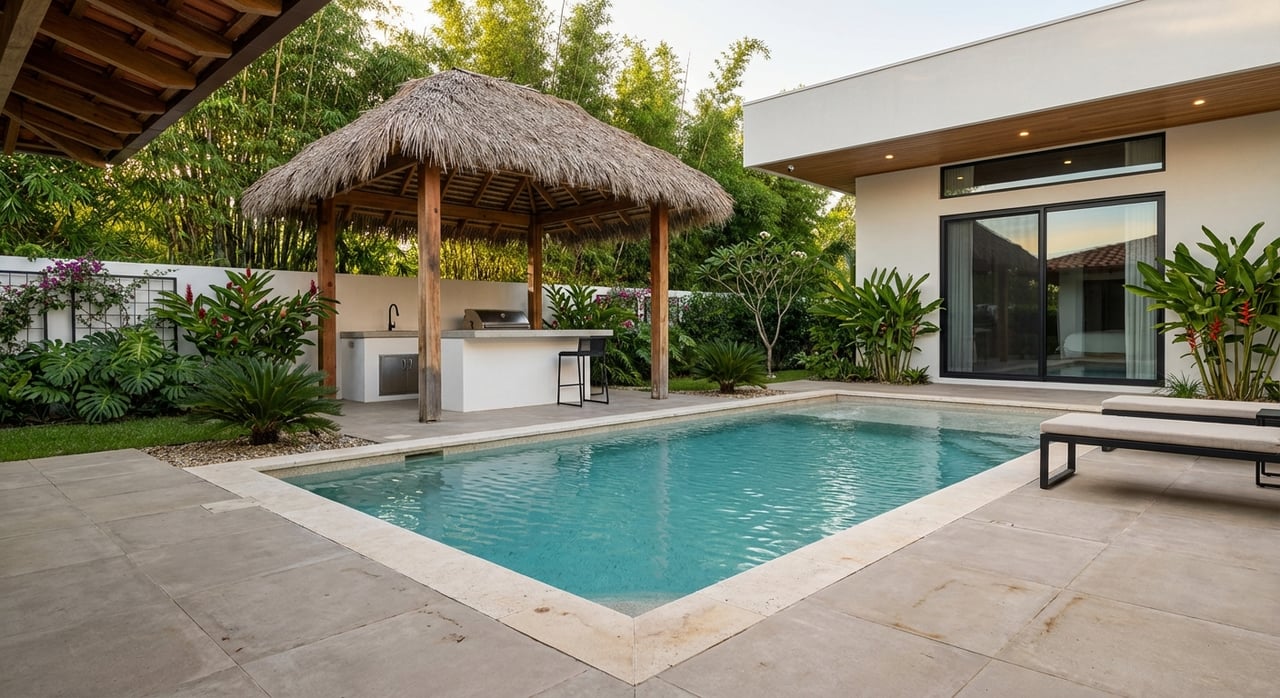
A private pool is a signature feature in many Atenas homes. It pairs naturally with a covered rancho, dining terrace, and layered gardens.
You usually do not. With Atenas’s temperate range, most owners swim comfortably without mechanical heating. If you want a slightly warmer morning or shoulder‑season swim, a solar thermal panel or a pool blanket can nudge water temperature a few degrees. Check the dry and wet season ranges before you buy equipment using local climate norms.
Choose a variable‑speed pump. Documented savings commonly range from about 50% to 80% compared with single‑speed units, depending on run hours and sizing. That is meaningful on Costa Rica’s electricity rates and pairs well with rooftop solar. Automate run schedules, add a cover to cut evaporation, and keep skimming efficient in rainy months. See the U.S. PNNL guide on variable‑speed pool pumps for the fundamentals.
Place the pool to balance sun, shade, and views. In the wet season, leaf and organic debris increase, so add generous skimming capacity, easy leaf access around the deck, and a clear path to drains. Keep water chemistry steady and circulation active to discourage mosquitoes.
Building a pool or major outdoor structure typically requires municipal permits. Expect to submit plans and confirm technical requirements that follow Ministry of Health rules. Many applications also require a recent water‑availability letter from your ASADA or municipal provider. Start with the Municipalidad de Atenas early to confirm steps outlined in Costa Rica’s regulations. Review the national regulatory framework before you begin. Private owners should still follow safety best practices like fencing, self‑closing gates, and life‑saving equipment near the deck.
In Atenas, a “rancho” is the social heart of outdoor living. It is a covered pavilion for cooking, dining, and lounging next to the pool.
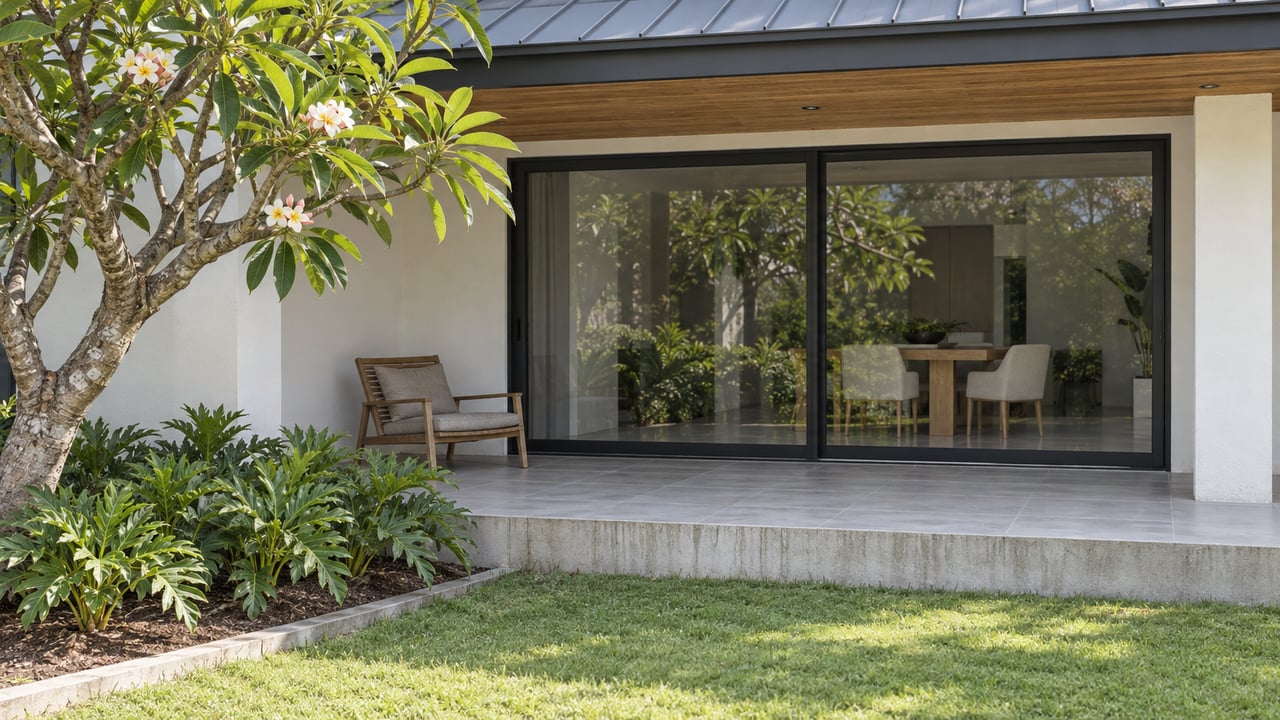
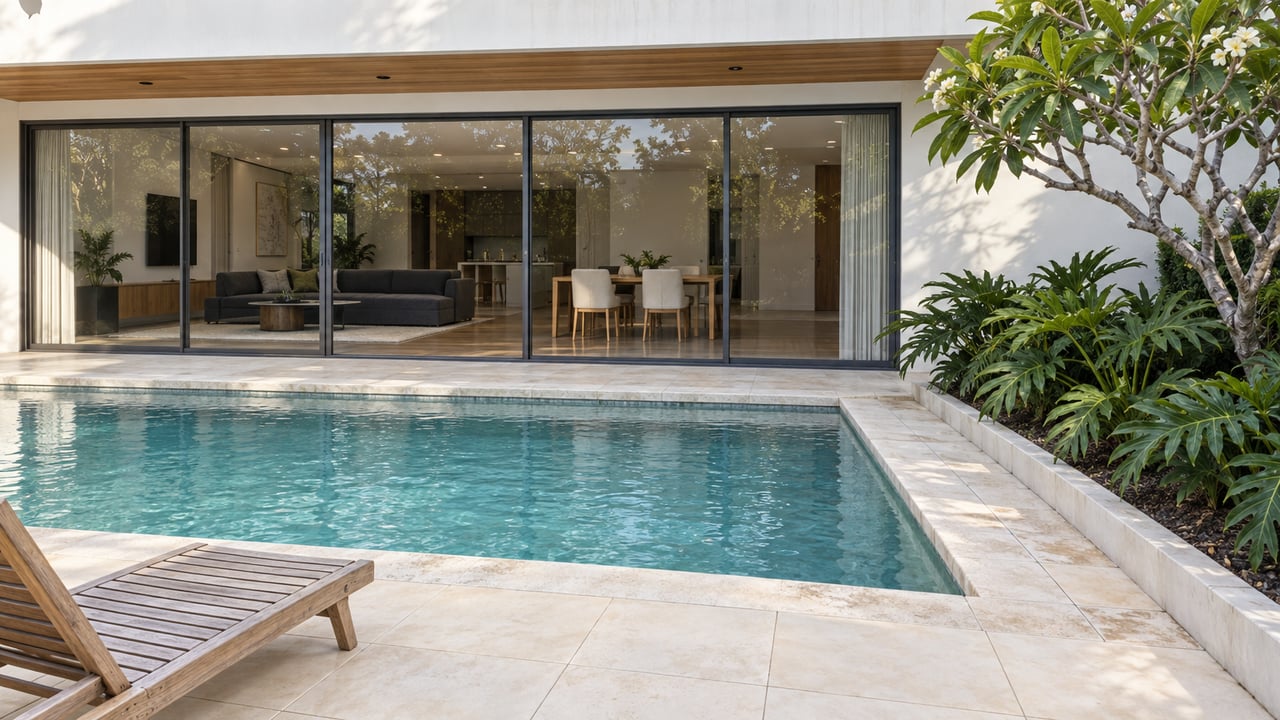
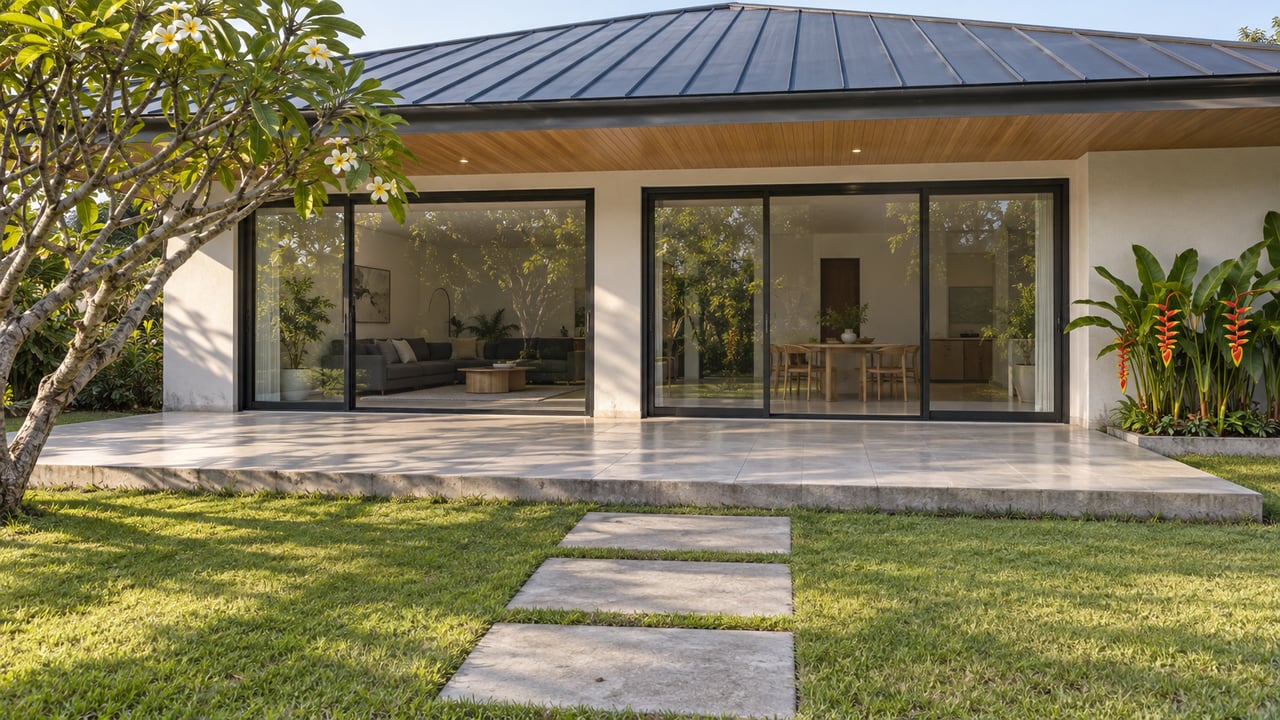
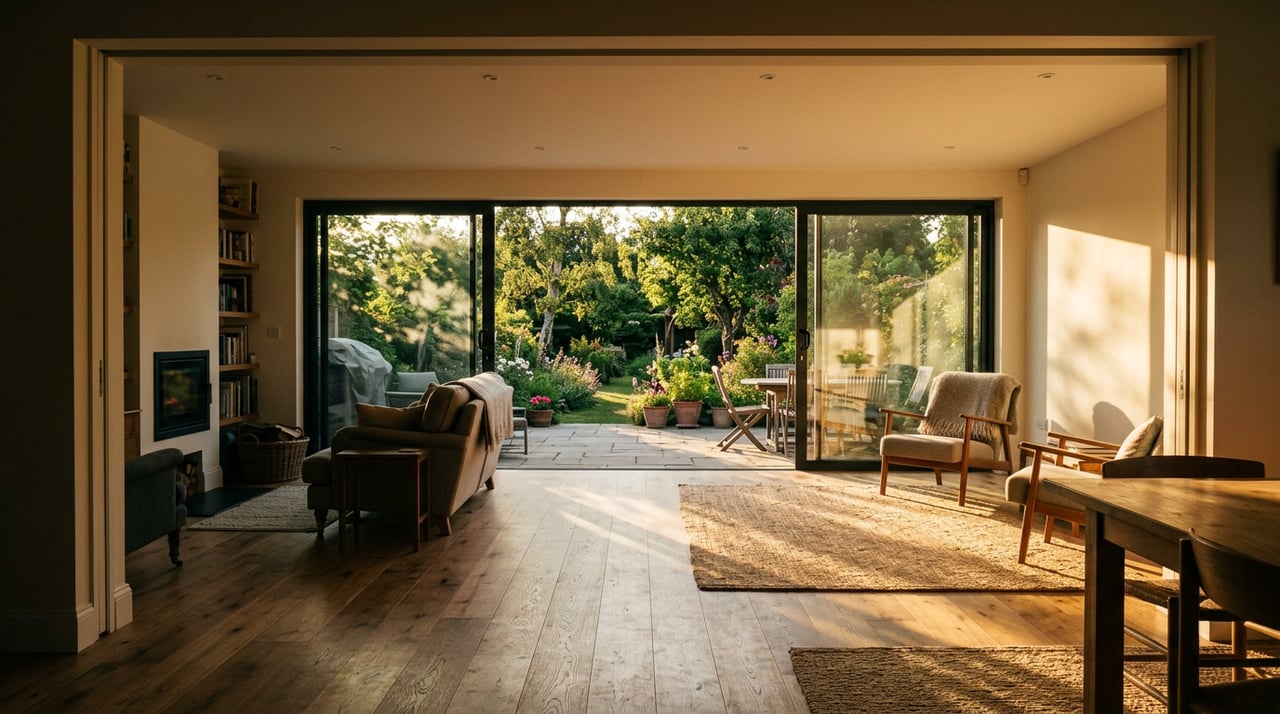
Comfort starts with architecture. Deep roof overhangs, broad covered terraces, and openings that line up to catch prevailing breezes keep spaces cool with minimal mechanical cooling. Consider pergolas with adjustable louvers or retractable sunscreens so you can dial in morning sun and afternoon shade. Connect indoor living to the terrace with large sliders so gatherings flow naturally.
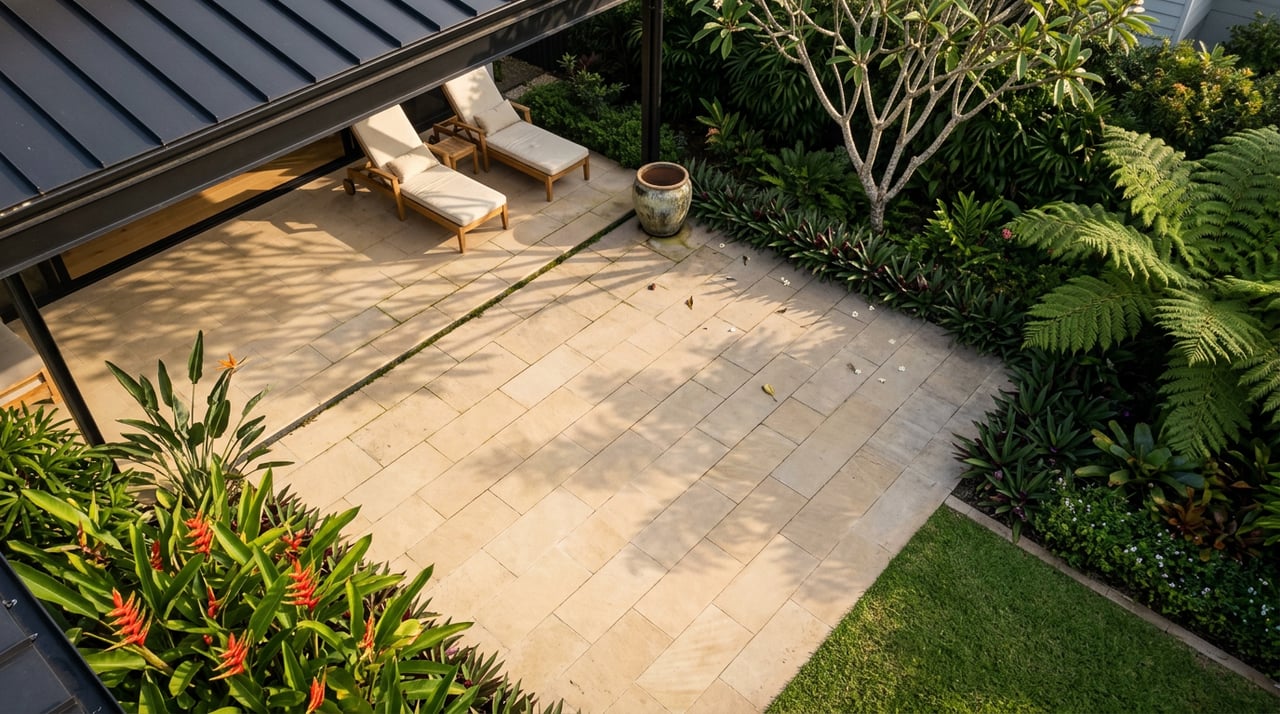
Atenas gardens look their best and are easier to live with when you build layers. That means trees for shade and structure, smaller understory trees, shrubs and flowering perennials, then groundcovers and mulch. This approach cools patio edges, manages glare, and reduces erosion on slopes.
You have great regional options: bougainvillea, plumeria, hibiscus, heliconia, bird‑of‑paradise, bromeliads, ixora, palms, and many fruit trees like citrus and avocado where site conditions allow. Choose species for your sun, wind, and irrigation reality. For a Costa Rica perspective on design and plant performance, explore local landscaping insights from Vida Verde Landscaping.
Many Atenas parcels are hilly. Plan for engineered drainage, contour planting, and retaining walls where needed. Major earthworks usually require professional plans and municipal permits, so confirm structural and movement‑of‑earth requirements before you break ground. The government’s guidance on drainage and site works is a helpful reference point; see the official bulletin.
Keep water moving and eliminate pockets of standing water. Maintain pools with proper circulation and chemistry, and treat or refresh water features regularly. The World Health Organization’s mosquito guidance reinforces the basics: no stagnant water, consistent maintenance, and sensible personal protection.
Pick finishes that shrug off sun and moisture, especially on high‑touch surfaces.
A short, steady routine protects your investment.
Great outdoor living in Atenas blends design with practical execution. You want shade where it counts, water where it is needed, and materials that hold up to the elements. Permits and coordination are critical, especially for pools, ranchos, and hillside works. If you want a single partner to help you find the right property, design the outdoor plan, and manage construction through delivery, connect with Bryana Conway. We pair brokerage, design, and project oversight so your Atenas home feels turnkey from day one.
Stay up to date on the latest real estate trends.

Partner with a dedicated real estate professional who combines creativity, expertise, and a deep understanding of clients' needs. Whether buying, selling, or designing, the focus is always on making dreams a reality with personalized, thoughtful service.